Are you a busy parent struggling to find time for meal preparation? You're not alone. Many families face the challenge of fitting nutritious meals into their schedules. This article presents quick and easy meal prepping techniques that can save you valuable time, allowing you to spend more quality moments with your family.
Discover practical strategies and step-by-step guides to help you streamline your kitchen routine. From cost-effective meal prep ideas to common pitfalls to avoid, this article is your go-to resource for efficient and delicious meal prepping solutions that cater to the needs of time-poor families.
How does meal prepping save time for families?
Meal prepping is a time-saving strategy that involves preparing meals in advance, allowing families to have nutritious food ready without the need for last-minute cooking. By dedicating a few hours once or twice a week to meal preparation, busy family members can significantly reduce stress and simplify their daily routines.
This method streamlines mealtime and encourages healthier eating habits. According to Chelsea King, an Extension agent at Kansas State University, "Whether you're feeding two people or six, meal prepping can be a valuable tool to save time, reduce food waste, and meet your nutrition goals." The key is finding a system that aligns with your lifestyle, whether it's batch cooking meals for the week or preparing ingredients ahead of time.
One of the primary benefits of meal prepping is the reduction in stress. Today, families often struggle to find time for meal preparation amidst work, school, and other commitments. Meal prepping helps alleviate this pressure by ensuring that dinner is ready without the need for a last-minute dash to the grocery store or kitchen.
Also, meal prepping can lead to financial savings. By planning meals in advance, you are less likely to overspend on impulse buys or waste food due to spoilage. This approach also promotes better time management, as families can allocate their limited free time more effectively, focusing on activities that enhance the quality of life rather than spending it on meal preparation.
In summary, meal prepping saves time for families by streamlining meal preparation, promoting healthy eating habits, and improving overall time management. It's a practical solution for busy households looking to reduce stress and create balanced meals with ease.
Costs and Benefits of Meal Prepping
The initial costs of meal prepping involve purchasing storage containers, but these can lead to significant savings over time by reducing food waste. This reduction in waste directly translates to financial savings, as it means you're buying and consuming only what is necessary.
On top of that, meal prepping encourages families to plan their meals around sales and discounts, which can significantly lower grocery bills. By purchasing ingredients when they are on special offer or in bulk, families can save money over the long term. This strategy benefits the household budget and promotes a more sustainable approach to shopping for food.
The long-term health benefits of meal prep cannot be overstated. Meal prep allows for the preparation of balanced meals, which can lead to improved overall health. The NHS acknowledges that planning and preparing meals in advance can help families maintain a healthier diet (Source: NHS). By reducing reliance on convenience foods, which often lack nutritional value, meal prepping supports healthier eating habits.
In summary, while there is an initial cost associated with setting up a meal prepping system, the long-term benefits include both monetary savings through reduced food waste and grocery bills, as well as improved health due to balanced meals.
Step-by-Step Guide to Meal Prepping
To embark on an effective meal prepping journey, begin by mapping out your weekly menu. This should be tailored to the dietary needs and preferences of all family members. Consider any dietary restrictions, allergies, or special occasions that may affect your choices.
Once you have a plan in place, move forward with preparing ingredients in bulk. Tasks such as chopping vegetables or marinating meats can significantly reduce time spent on meal preparation throughout the week. For instance, slicing carrots, celery, and onions ahead of time will make it easier to add these ingredients to various dishes during the week.
Cooking meals in batches is another key step. Prepare several portions of a dish that can be frozen or refrigerated for later use. This method ensures that you have ready-to-eat meals at hand when time is scarce. For example, roasting a large batch of chicken breasts can be used in salads, sandwiches, and stir-fries throughout the week.
To maintain freshness and longevity, store your prepped meals appropriately. Meals that will be consumed within a few days should be kept in the fridge, whereas those meant for longer storage can be frozen. Properly label each container with the date and content for easy identification.
Remember to keep meal prep simple. Start small, perhaps by preparing only one or two meals ahead of time. As you get more comfortable with the process, you can gradually increase the number of meals prepped in advance. This incremental approach helps to avoid feeling overwhelmed and ensures that meal prepping becomes a sustainable habit within your family's routine.
Meal Prepping Tips for Time-Poor Families
When meal prepping for time-poor families, focusing on recipes that can be easily doubled or tripled is a smart strategy. This way, you can prepare meals in bulk, saving both time and effort. For instance, a simple batch of chili or stew can be divided into individual portions and frozen for later use.
Investing in Storage Containers
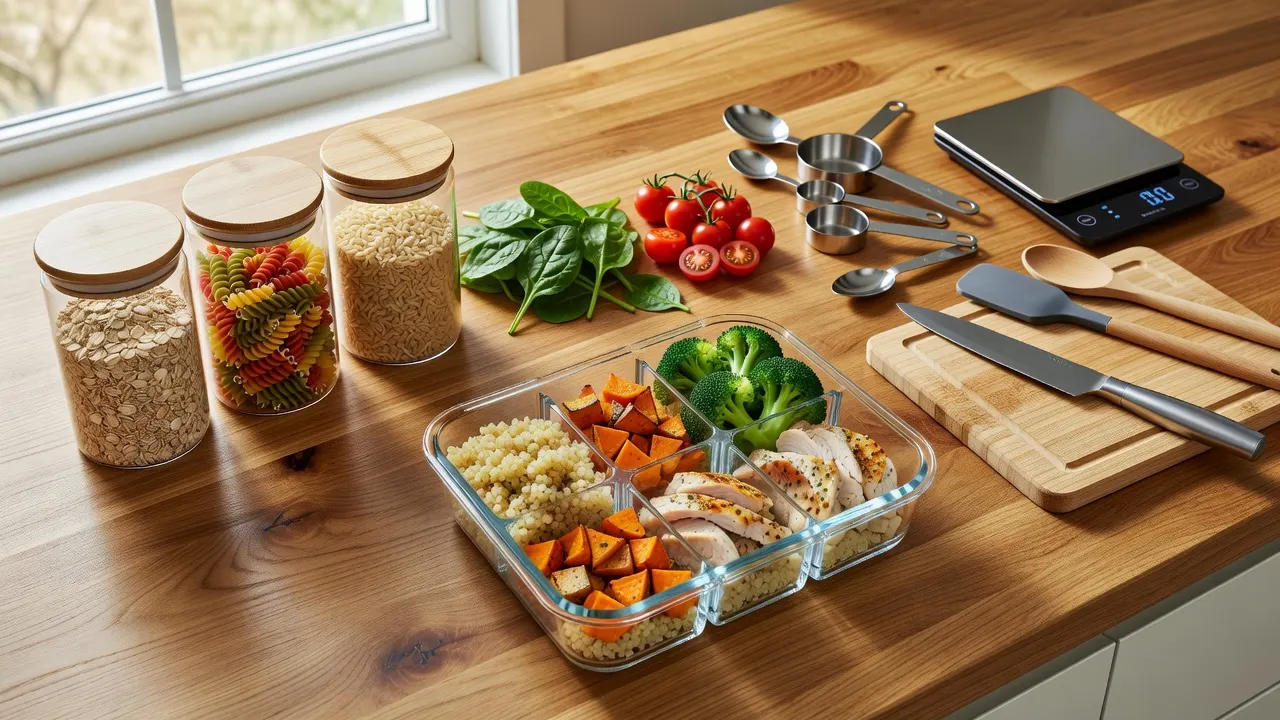
Having a variety of storage containers is important for keeping your prepped meals fresh and organized. Opt for containers that are stackable to save space in the fridge and easily identifiable so you know exactly what each one contains. Glass containers with clear lids are particularly useful, as they allow you to see the contents at a glance.
A well-stocked pantry is another key element in efficient meal prepping. Keep staple ingredients on hand like pasta, rice, canned beans, and spices. This way, you can quickly assemble meals without having to make frequent trips to the grocery store. For example, a basic pasta dish can be transformed with different sauces and toppings depending on what you have in your pantry.
Comparing Meal Prepping Techniques
Batch cooking is an effective method for time-poor families, enabling the creation of multiple meals in one session. This technique saves time, reduces food waste, and can lead to a more balanced diet. By preparing large quantities of food, you can freeze portions for later use, ensuring nutritious meals are readily available without last-minute cooking.
Meal planning apps or planners are valuable tools for tracking meal prep schedules and grocery lists. These digital resources often include features like reminders and recipes, simplifying the maintenance of a consistent meal prep routine. They also aid in managing shopping lists efficiently, ensuring that only necessary items are purchased.
Using a slow cooker or Instant Pot is another technique to consider. Both appliances require minimal hands-on time and can be left unattended during cooking. Slow cookers are ideal for tenderising tougher cuts of meat and creating rich dishes over an extended period. Instant Pots offer fast-cooking options that significantly reduce meal preparation time.
Each method offers unique benefits suited to different lifestyles and preferences. Batch cooking is suitable for preparing multiple meals at once, meal planning apps or planners are best for organisation and consistency, while slow cookers and Instant Pots provide convenience with minimal supervision. The key is finding a combination that aligns with your family's schedule and dietary needs.
Common Mistakes to Avoid in Meal Prepping
When embarking on the journey of meal prepping, it's important to be aware of common mistakes that can hinder the efficiency and effectiveness of your efforts. One prevalent error is overcooking ingredients, which results in nutrient loss and diminished flavor. It's important to follow cooking instructions carefully and avoid excessive heat or prolonged cooking times.
Proper storage is equally vital to prevent food spoilage and extend the shelf life of prepped meals. Improperly stored foods can lead to contamination and foodborne illnesses, particularly harmful for time-poor families with limited flexibility for seeking medical attention. Ensuring that foods are stored at correct temperatures and in appropriate containers is fundamental.
Another common misstep is overcommitting to meal prepping. While it's an excellent time-saving strategy, it can become overwhelming if not approached with a manageable schedule. Starting small and gradually increasing your meal prep routine can help maintain balance without creating undue stress or pressure.
Lastly, not tailoring meal preps to individual needs or preferences can be a pitfall. Each family member may have different dietary requirements or taste preferences, so considering these when planning meals is important. This ensures everyone enjoys the food and prevents wastage by catering to specific tastes and nutritional needs.
In summary, to avoid common mistakes in meal prepping, keep an eye on cooking times, practice proper storage techniques, maintain a manageable schedule, and customise meals to meet individual preferences. These steps will contribute to a more efficient and enjoyable meal prep experience for time-poor families.
Examples of Quick & Easy Meal Preps
To streamline meal prep for time-poor families, consider these simple yet effective strategies:
- Batch Chili or Stew: Prepare a large batch of chili or stew on the weekend. These dishes can be easily reheated throughout the week, offering a quick and nutritious meal option for busy evenings.
- Salad Kit: Create a salad kit by purchasing pre-washed greens and dressing in bulk. This eliminates the need for washing vegetables each day. You can then add proteins like grilled chicken or tofu and toppings such as nuts, seeds, or cheese as needed.
- Sandwiches and Wraps: Opt for sandwiches or wraps as they are quick to prepare and easy to grab on the go. Prepare a variety of fillings in advance, such as ham, turkey, cheese, lettuce, and tomato, and keep them in the fridge ready to assemble into sandwiches or wraps.
These meal preps are designed to save time while ensuring that your family enjoys nutritious meals throughout the week. Remember, the key is to plan ahead and use ingredients efficiently.
Your next steps
- Plan your meals weekly to streamline shopping and cooking.
- Invest in meal prep containers to save time on cleaning up after each meal.
- Cook in bulk where possible, such as roasting vegetables or making a large batch of chili, to use throughout the week.
- Opt for recipes that can be easily frozen and thawed, like soups and stews.
- Avoid common meal prepping mistakes by keeping an eye on portion sizes and ingredient freshness.
Frequently asked questions
How does meal prepping save time for families?
Meal prepping is a time-saving strategy that involves preparing meals in advance, allowing families to have nutritious food ready without the need for last-minute cooking.
What should you know about Costs and Benefits of Meal Prepping?
The initial costs of meal prepping involve purchasing storage containers, but these can lead to significant savings over time by reducing food waste. This reduction in waste directly translates to financial savings, as it means you're buying and consuming only what is necessary.
What should you know about Step-by-Step Guide to Meal Prepping?
To embark on an effective meal prepping journey, begin by mapping out your weekly menu. This should be tailored to the dietary needs and preferences of all family members.
What should you know about Meal Prepping Tips for Time-Poor Families?
When meal prepping for time-poor families, focusing on recipes that can be easily doubled or tripled is a smart strategy. This way, you can prepare meals in bulk, saving both time and effort.
Sources
- www.nhs.uk/nhs-services/armed-forces-community/families-support-information
- extension.k-state.edu/news-and-publications/news/stories/2025/09/family-meal-prepping.html
- www.which.co.uk/policy-and-insight/article/we-are-having-to-skip-meals-families-bearing-brunt-of-cost-of-living-crisis-as-scots-cut-back-on-eating-and-heating-aQ5WW4C09XoZ
Facts, prices and links checked on 26 October 2026. Prices and features change, so confirm on the official pages before you decide.
Our guides are researched from the public sources we cite; we don't carry out hands-on product testing.